The Most Common Gutter Problems We See in Newnan Homes
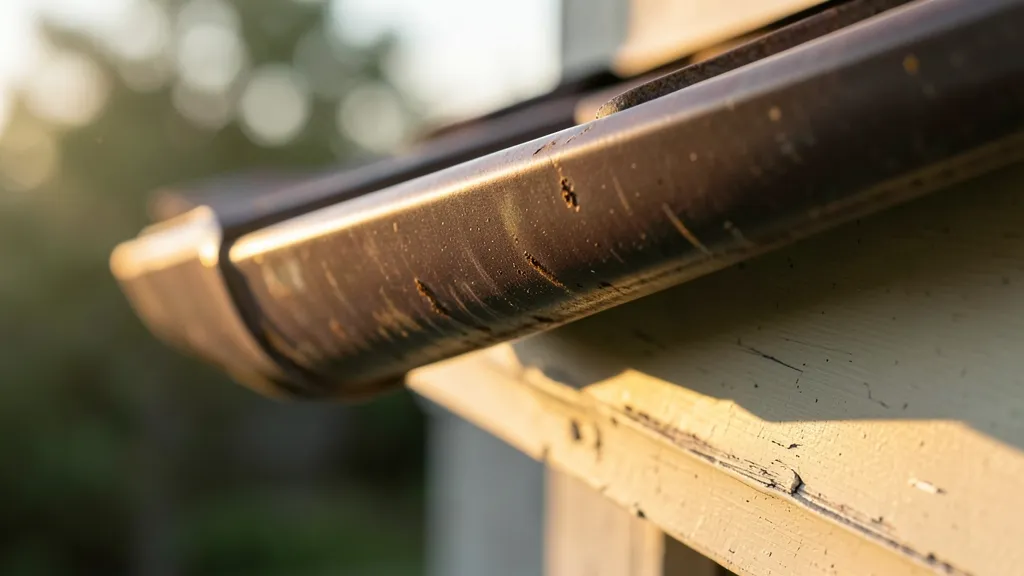
After years of cleaning and repairing gutters across Newnan, we’ve seen the same problems pop up again and again. Left unchecked, these issues can lead to costly water damage, foundation problems, or even roof failure. Here’s what to watch for—and how to stop small problems from becoming big ones.
Pine needles, oak leaves, and pollen are a constant battle in our area. They pack into gutters and downspouts, trapping water and creating the perfect environment for rust, mold, and even pests.
Clogs don’t just cause overflow—they add weight, pulling gutters away from the fascia. In heavy storms, water can back up under shingles, leading to roof leaks that homeowners often blame on the roof itself.
A gutter can look clean on top but still be clogged at the downspout elbow. Always check the outlet for blockages, especially after windy storms.
Sagging or Pulling Away from the Roof
Sagging gutters are usually a sign of failing hangers or excessive weight from debris and standing water. Over time, the fascia boards can rot, making the problem worse.
We often see this in older homes where the original spike-and-ferrule hangers have loosened. Modern hidden hangers or strap hangers distribute weight better and last longer in our humid climate.
Leaks at Seams and End Caps
Sectional gutters are prone to leaks at the seams, especially in heavy rain. Even small gaps can send water cascading down the fascia, staining siding and eroding landscaping below.
End caps can also fail if they weren’t properly sealed during installation. Resealing with high-quality gutter sealant is a quick fix, but in some cases, replacing the section is the better long-term solution.
| Location | Likely Cause | Best Fix |
|---|---|---|
| Seams between sections | Failed sealant or misalignment | Reseal or replace with seamless gutters |
| End caps | Improper installation or age | Reseal or replace end cap |
| Downspout connections | Loose or corroded fasteners | Tighten or replace screws, reseal joint |
| Holes or cracks | Rust, impact damage, or wear | Patch with sealant or replace section |
Improper Pitch: When Gutters Don’t Drain
Gutters need a slight slope—about 1/4 inch per 10 feet—to move water toward the downspouts. If the pitch is off, water pools, leading to rust, leaks, and overflow.
This is a common issue after DIY installations or when gutters have shifted over time. We often adjust the pitch during routine cleanings to ensure proper drainage.
Standing water in gutters after rain is a red flag. If you see it, the pitch may need adjustment or the downspouts could be clogged.
Downspout Issues: The Overlooked Weak Link
Downspouts carry water away from your home’s foundation. If they’re clogged, disconnected, or too short, water can pool near the base, leading to basement leaks or soil erosion.
In neighborhoods like Summergrove or the historic downtown area, we often see downspouts dumping water directly onto sidewalks or driveways. Extensions or splash blocks can redirect water safely.
Rust and Corrosion: A Silent Threat
Aluminum gutters resist rust, but steel or older systems can corrode over time, especially in our humid Georgia climate. Rust weakens gutters, leading to leaks and structural failure.
Regular cleaning and inspections help catch rust early. For severely corroded sections, replacement is often the only solution to prevent water damage to the roof and siding.
Storm Damage: Wind, Hail, and Falling Branches
Newnan’s storm season can be tough on gutters. High winds can tear sections loose, while hail can dent aluminum gutters, creating pockets where debris collects.
Falling branches are another common culprit, especially in wooded areas near Sharpsburg or Turin. Even small dents can disrupt water flow, so we recommend inspections after major storms.
When to Call in the Pros for Gutter Repair or Cleaning
If you notice sagging, leaks, or standing water, it’s time for a professional inspection. We can assess whether a simple cleaning, resealing, or full replacement is needed.
For homes in Peachtree City or Grantville, where trees are abundant, we often recommend gutter guards to reduce maintenance. But even with guards, annual inspections are key to catching issues early.
Signs You Need Professional Gutter Help
- Gutters sagging or pulling away from the roof
- Water overflowing during rain (even light rain)
- Visible rust, holes, or cracks in the gutter system
- Downspouts disconnected or dumping water near the foundation
- Water stains on siding or fascia boards
- Basement leaks or soil erosion near the home
How to Inspect Your Gutters for Problems
A quick visual check can help you catch issues before they escalate.
- 1Safety First
Use a sturdy ladder and have a spotter. Never lean the ladder against the gutters themselves—they may not support your weight.
- 2Check for Clogs
Look for debris buildup, especially in corners and near downspouts. If water isn’t draining, there’s likely a blockage.
- 3Test the Pitch
Use a level to check the slope. Water should flow toward the downspouts. If it’s pooling, the pitch may need adjustment.
- 4Inspect Seams and Joints
Look for gaps, rust, or sealant failure at seams, end caps, and downspout connections. Even small leaks can cause big problems.
- 5Look for Damage
Check for dents, cracks, or sagging sections. Pay attention to the fascia boards—rot or water stains indicate long-term issues.
Frequently Asked Questions
How often should I clean my gutters in Newnan?
We recommend cleaning at least twice a year—once in spring after pollen season and once in fall after the leaves drop. If you have a lot of trees, like in Senoia or Moreland, you may need more frequent cleanings.
Can I just patch a leaking gutter, or do I need to replace it?
Small leaks at seams or holes can often be patched with high-quality sealant. But if the gutter is old, rusted, or sagging, replacement may be the better long-term solution. Request a quote to assess the damage.
Why do my gutters overflow even when they’re not clogged?
Overflow can happen if the gutters are improperly pitched, the downspouts are too small, or there aren’t enough downspouts for the roof’s size. A professional can evaluate the system’s capacity.
Do gutter guards really work in Newnan’s climate?
Gutter guards can significantly reduce debris buildup, but they’re not maintenance-free. Pine needles and fine pollen can still accumulate on top of some guard types. We recommend annual inspections even with guards installed.
What’s the difference between gutter cleaning and gutter maintenance?
Cleaning removes debris and ensures proper water flow. Maintenance includes cleaning plus repairs like resealing, adjusting pitch, tightening hangers, and checking for rust or damage. Both are essential for longevity.
How do I know if my gutters are causing foundation problems?
Signs include water pooling near your home’s base, cracks in the foundation, or basement leaks. If downspouts aren’t directing water at least 5 feet away, it can seep into the soil and cause erosion or structural issues.