The Hidden Dangers of Improper Gutter Pitch in Newnan Homes
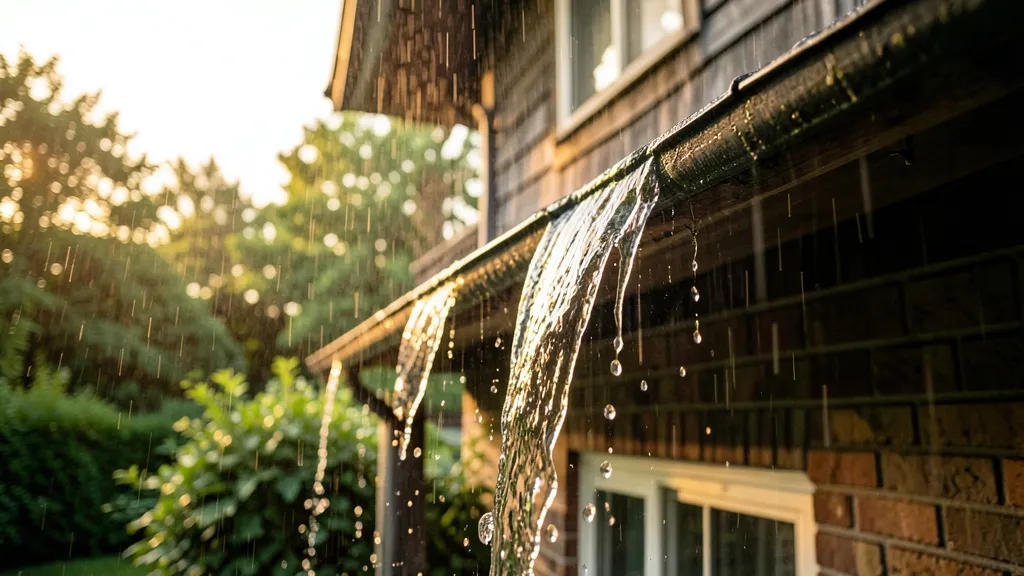
Improper gutter pitch might seem like a minor issue, but in our area’s heavy rain and seasonal storms, it’s a silent culprit behind costly home damage. Even a slight misalignment can send water pooling where it shouldn’t, leading to rot, erosion, and structural headaches. We’ve seen firsthand how fixing the slope restores protection—before the next downpour hits.
What Gutter Pitch Is and Why It Matters
Gutter pitch—or slope—refers to the slight downward angle that guides water toward downspouts. Without it, water sits stagnant, collecting debris and accelerating corrosion.
The ideal pitch is about ¼ inch of drop for every 10 feet of gutter. Too steep, and water rushes past the downspout. Too shallow, and it pools, especially in low spots near valleys or dormers.
Newnan’s frequent spring and fall storms mean gutters must handle sudden, heavy flows. A properly pitched system prevents overflow that can damage siding or flood basements in areas like Sharpsburg or Senoia.
Signs Your Gutters Have the Wrong Pitch
Standing water in sections of the gutter is the most obvious red flag. You might also notice rust or water stains directly beneath the gutter trough.
Overflow during rain, even when downspouts are clear, often points to pitch problems. Check for erosion or washout marks at the foundation—another telltale sign.
Sagging gutters or separated seams can also indicate pitch failure, as stagnant water adds weight and stress to hangers and fascia boards.
How Improper Pitch Damages Your Home
Water that doesn’t drain properly can rot wooden fascia and soffits, leading to costly repairs. In severe cases, it can even compromise the roof’s edge.
Pooling water freezes in winter, creating ice dams that force moisture under shingles. This is a common issue in older homes around Peachtree City and Grantville.
Foundation erosion is another risk. When water cascades over the gutter edge, it saturates the soil near your home’s base, leading to cracks or settling over time.
Improper drainage can lead to basement flooding, especially in low-lying neighborhoods. A gutter resealing and resloping service can redirect water safely away from your home’s perimeter.
Common Causes of Pitch Problems
Improper installation is the top culprit. DIY jobs or rushed work often overlook precise leveling and slope calculations.
Settling or shifting of the home can alter the original pitch. This is frequent in Newnan’s clay-heavy soil, which expands and contracts with moisture changes.
Debris buildup adds weight, causing gutters to sag and lose their pitch. Regular gutter cleaning prevents this, but damaged hangers may need replacement.
Gutter Pitch vs. Gutter Guard Compatibility
Gutter guards rely on proper pitch to function. If the slope is off, water may flow over the guard instead of through it, defeating its purpose.
Mesh and reverse-curve guards are particularly sensitive to pitch. Screen-style guards can handle slight variations but still require a consistent downward angle.
| Guard Type | Pitch Sensitivity | Best For |
|---|---|---|
| Mesh Guards | High | Steep, consistent slopes |
| Reverse-Curve Guards | Very High | Precise, uniform pitch |
| Screen Guards | Moderate | Slight pitch variations |
| Foam Guards | Low | Minimal slope needed |
Can You Fix Gutter Pitch Yourself?
Adjusting pitch involves loosening hangers and re-leveling the gutter. It’s doable for handy homeowners, but precision is critical—even a 1/8-inch error can cause problems.
For multi-story homes or complex roof lines, professional gutter resloping ensures safety and accuracy. Our team often pairs this with a full roof and gutter inspection to catch related issues.
DIY Pitch Adjustment Checklist
- Gather a level, measuring tape, and ladder stabilizer
- Mark the desired slope (¼" per 10 ft) with chalk
- Loosen hangers and adjust incrementally
- Test with a hose to verify drainage
- Tighten hangers and check for gaps or sagging
When to Call a Professional
If your gutters are sagging, pulling away from the roof, or showing signs of rust and corrosion, it’s time for expert help. These issues often require resealing, resloping, or even partial replacement.
Commercial properties or large homes in areas like Turin or Moreland benefit from professional assessment. We use laser levels and specialized tools to ensure perfect pitch across long runs.
Storm damage often disrupts pitch. After severe weather, a gutter inspection can reveal hidden misalignments before they cause long-term harm.
Long-Term Solutions to Maintain Proper Pitch
Regular gutter cleaning prevents debris buildup that can weigh down and misalign your system. Schedule cleanings at least twice a year, especially before Newnan’s storm season.
Consider upgrading to seamless gutters. With fewer seams, they’re less prone to sagging and maintain pitch better over time.
Gutter guard installation can reduce maintenance, but only if the pitch is correct from the start. Pair guards with a professional pitch evaluation for best results.
How to Check Your Gutter Pitch at Home
A simple at-home test can reveal if your gutters are properly pitched.
- 1Gather Tools
You’ll need a ladder, a garden hose with a spray nozzle, and a helper to spot you. Safety first—always stabilize the ladder on level ground.
- 2Inspect for Standing Water
After a rainstorm or while spraying water into the gutter, look for areas where water pools instead of flowing toward the downspout.
- 3Measure the Slope
Use a level and measuring tape to check the drop from the high end to the downspout. It should be about ¼ inch for every 10 feet of gutter.
- 4Test Drainage
Run water through the gutter with the hose. If it overflows or moves sluggishly, the pitch likely needs adjustment.
- 5Look for Damage
Check for rust, sagging, or separated seams—these often accompany pitch issues and may require gutter repair or resealing.
Frequently Asked Questions
How do I know if my gutters are pitched correctly?
Water should flow smoothly toward the downspout without pooling. If you see standing water or overflow during rain, the pitch is likely off. A professional can confirm with precise measurements.
Can improper gutter pitch cause roof leaks in Newnan homes?
Yes. When water pools in the gutter, it can back up under the shingles, especially during heavy storms common in our area. This often leads to roof leaks or ice dams in winter.
What’s the difference between gutter pitch and gutter slope?
They’re the same thing—both refer to the downward angle of the gutter that directs water to the downspout. The terms are often used interchangeably in the industry.
Do gutter guards affect pitch?
They can. Some gutter guards, like reverse-curve types, require a steeper pitch to work effectively. If your pitch is too shallow, water may flow over the guard instead of into the downspout.
How often should I have my gutters inspected for pitch issues?
We recommend a professional inspection at least once a year, ideally before the rainy season. If you notice sagging, overflow, or water damage, schedule an inspection sooner.
Is gutter resloping expensive?
The cost depends on factors like the length of your gutters, the complexity of your roof, and whether additional repairs (like hanger replacement or resealing) are needed. Request a quote for an accurate estimate.