How Gutters Protect Your Newnan Home from the Next Storm
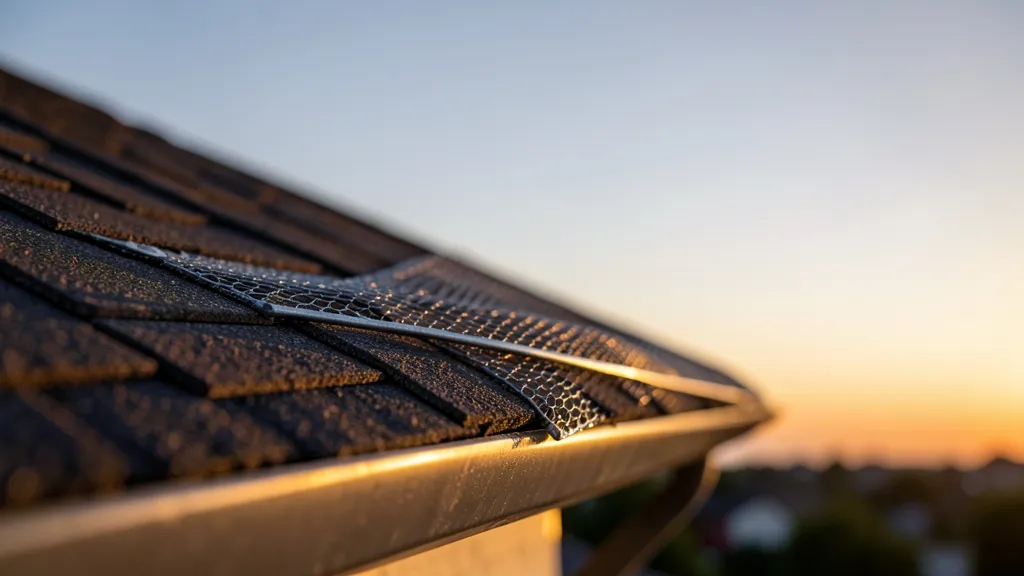
When heavy rains hit, your gutters are the first line of defense against water damage. Without them, stormwater pools where it shouldn’t—eroding soil, flooding basements, and compromising your home’s structure. We’ve seen firsthand how well-maintained systems keep Newnan properties safe, season after season.
Why Gutters Are Your Home’s Silent Protectors
Gutters channel rainwater away from your roof, walls, and foundation. Without this redirection, water cascades off the roof edge, splashing against siding and pooling at the base of your home.
In our area’s clay-heavy soil, poor drainage leads to rapid erosion. Over time, this can undermine patios, driveways, and even the structural integrity of your foundation.
The Domino Effect of Clogged Gutters
Leaves, pine needles, and seed pods from local oaks and pines clog gutters fast. When debris blocks the flow, water overflows—often right into your fascia and soffits, causing rot.
We’ve cleaned systems in Sharpsburg and Senoia where neglected gutters led to ice dams in winter. Trapped water freezes, expands, and pries shingles apart, inviting leaks.
Clogged gutters can cause roof leaks, fascia rot, and even cracked foundations. Regular cleaning prevents these cascading failures.
How Gutters Prevent Foundation Damage
A properly sloped gutter system directs water at least 5–10 feet from your home. This keeps the soil around your foundation stable and dry.
In neighborhoods like Turin or Moreland, where homes sit on sloped lots, downspout extensions are critical. Without them, water can carve trenches and destabilize the ground beneath your house.
Gutter Materials: Durability in Newnan’s Climate
Aluminum gutters are lightweight and resist rust, ideal for our humid summers. Copper offers a premium look but requires less maintenance, though it’s pricier upfront.
Vinyl gutters are budget-friendly but can become brittle in extreme heat or cold. Seamless gutters, custom-fitted on-site, minimize leaks—something we recommend for long-term performance.
| Material | Lifespan | Pros | Cons |
|---|---|---|---|
| Aluminum | 20-30 years | Lightweight, rust-proof, color options | Can dent in hail storms |
| Copper | 50+ years | Durable, elegant patina, low maintenance | High cost, not DIY-friendly |
| Vinyl | 10-20 years | Affordable, easy to install | Brittle in temperature swings |
| Steel | 20-25 years | Strong, handles heavy debris | Prone to rust without coating |
The Role of Downspouts in Stormwater Management
Downspouts are the gutters’ partners, carrying water from the roof to the ground. A 5-inch gutter typically pairs with a 2x3-inch downspout; larger systems may need 3x4-inch spouts for heavy rainfall.
In commercial properties around Peachtree City or Grantville, we often install additional downspouts to handle larger roof areas. This prevents overflow during sudden downpours.
Use splash blocks or underground drain pipes to direct water even farther from your foundation. A 4-foot extension is a smart minimum.
Signs Your Gutters Aren’t Doing Their Job
Sagging gutters indicate trapped water or failing hangers. If you see water stains beneath the gutters or on your siding, it’s a sign of overflow or leaks.
Pooling water near your home’s base, or erosion marks in the landscaping, means your system isn’t diverting water properly. Even small drips from seams can lead to big problems over time.
Red Flags to Watch For
- Gutters pulling away from the roof
- Rust or peeling paint on gutter surfaces
- Water spilling over the sides during rain
- Visible cracks or splits in the gutter troughs
- Downspouts disconnected or clogged at the elbow
Seasonal Challenges in Georgia
Spring brings pollen and seed pods that stick to wet surfaces, creating stubborn clogs. Summer storms can overwhelm undersized gutters, especially in older homes.
Fall’s leaf drop is the busiest season for us. Oaks and hickories shed heavily, and if not cleared, debris can trap moisture and accelerate rot in wooden fascia.
When to Call in the Pros
If your gutters are over 20 years old, or you notice persistent issues like leaks or sagging, it’s time for an inspection. We assess not just the gutters but the entire drainage system, including downspouts and splash blocks.
For homes in flood-prone areas near Senoia or Sharpsburg, we often recommend gutter guards to reduce maintenance. However, even with guards, annual inspections are wise to catch hidden debris.
While you can clean gutters yourself, a professional brings safety equipment, the right tools, and an eye for early damage. We also check for proper slope and secure hangers.
How to Inspect Your Gutters After a Storm
A quick post-storm check can reveal issues before they escalate.
- 1Safety First
Use a sturdy ladder on level ground. Never lean the ladder against the gutters themselves—this can cause damage.
- 2Check for Debris
Look for leaves, twigs, or sediment buildup in the troughs. Even small amounts can slow drainage.
- 3Test the Flow
Use a hose to run water through the gutters. Watch for overflow, leaks, or water that doesn’t exit the downspout.
- 4Inspect the Downspouts
Ensure they’re securely attached and free of clogs. Water should exit at least 3–4 feet from the foundation.
- 5Look for Damage
Check for dents, cracks, or separated seams. Note any sagging sections or loose hangers.
- 6Assess the Ground
Walk the perimeter of your home. Look for erosion, pooling water, or splash marks indicating poor drainage.
Frequently Asked Questions
How often should gutters be cleaned in Newnan?
Twice a year is the baseline—once in late fall after leaf drop and again in early spring. If you have overhanging trees or frequent storms, consider quarterly cleanings. Request a quote to tailor a schedule to your property.
Can gutter guards eliminate the need for cleaning?
Gutter guards reduce debris buildup but don’t eliminate maintenance. Fine particles like pine pollen or roof grit can still accumulate, and guards themselves need occasional cleaning. We install and service guards in Peachtree City and beyond.
What’s the most common gutter problem you see in older homes?
Improper slope is a big one. Over time, gutters can shift, causing water to pool. Also, older systems often have undersized downspouts that can’t handle modern rainfall intensity. Resealing and resloping can restore proper function.
Do seamless gutters really make a difference?
Yes. Seamless gutters minimize leaks because there are no joints to fail. They’re custom-cut to your home’s dimensions, which also improves aesthetics. We recommend them for both residential properties in Sharpsburg, Senoia, and Grantville.
How do I know if my gutters are the right size for my roof?
A standard 5-inch gutter handles most residential roofs, but larger or steeply pitched roofs may need 6-inch gutters. Downspout size matters too—2x3-inch spouts are common, but 3x4-inch may be better for heavy rainfall areas. An inspection can confirm what’s best for your home.
What should I do if my gutters are overflowing during rain?
First, check for clogs in the gutters or downspouts. If they’re clear, the issue might be improper slope or undersized components. In some cases, adding more downspouts or adjusting the pitch can resolve the problem. Request a quote for a professional assessment.