7 Urgent Signs Your Newnan Home Needs Gutter Cleaning Right Now
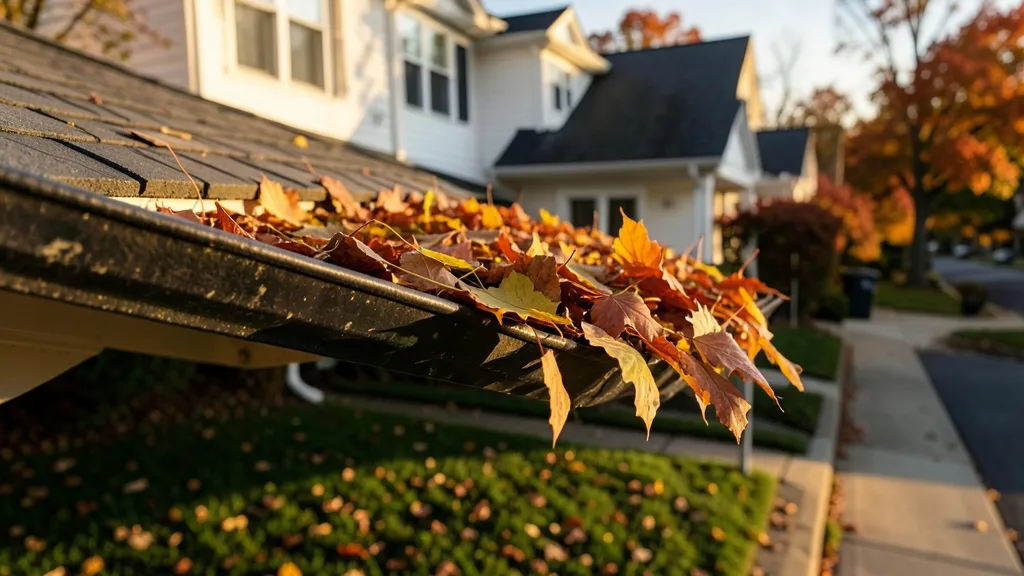
Gutters don’t scream for help, but they leave plenty of clues. In our humid Georgia climate, a small clog today can turn into a flooded basement or a damaged roof tomorrow. We see it every season—homeowners in Newnan, Sharpsburg, and Peachtree City who wait until water is pouring over the sides or staining their siding.
Water Overflowing Like a Waterfall
If you see sheets of water cascading over the sides during rain, your gutters are clogged. This isn’t just unsightly—it’s a direct path to erosion around your foundation and landscape damage.
In heavy downpours common to our area, even partial blockages force water to bypass the system entirely. That’s when basements in Moreland or Senoia start seeing seepage.
Overflow can wash away soil near your home’s base, creating cracks and shifting. In Georgia’s clay-heavy soil, this happens faster than you think.
Sagging or Pulling Away Gutters
Gutters should hang straight and firm. If sections sag or pull away from the fascia, trapped water and debris have added too much weight. This often starts at the seams or near downspouts.
Left unchecked, the brackets can fail, and you’ll need gutter repair or full replacement—especially after storms in Turin or Grantville.
Staining or Mildew on Siding and Fascia
Dark streaks on your siding or white chalky residue on fascia boards are telltale signs of water spilling over the edges. These stains aren’t just cosmetic; they indicate long-term moisture exposure.
Mildew thrives in our humid summers, and once it takes hold, it spreads to soffits and even roof decking. A thorough cleaning and resealing can stop the cycle.
Basement or Crawl Space Leaks After Rain
If your basement or crawl space is damp after a storm, clogged gutters may be the culprit. Water that should flow through downspouts pools near the foundation instead.
This is a common issue in older homes around Newnan, where gutters may also need resloping to ensure proper drainage away from the house.
Ensure downspouts extend at least 5–10 feet from your foundation. In heavy clay soil, even a few feet can mean the difference between dry and flooded.
Pests or Critters Nesting in Gutters
Standing water and leaf litter make perfect breeding grounds for mosquitoes, while birds, squirrels, and even rodents love the shelter of clogged gutters. It’s not just a nuisance—it’s a health hazard.
We’ve pulled everything from wasp nests to mouse families out of gutters in Peachtree City and Sharpsburg. Regular cleaning removes the attraction.
Visible Rust, Peeling Paint, or Corrosion
Rust spots on gutters or peeling paint on the fascia mean moisture is lingering where it shouldn’t. This is especially common with older steel gutters exposed to constant dampness.
Aluminum gutters resist rust but can corrode at seams if debris traps water. A cleaning plus resealing can extend their life significantly.
| Material | Durability | Main Weakness | Maintenance Tip |
|---|---|---|---|
| Aluminum | High | Seam corrosion | Clean and reseal seams annually |
| Steel (Galvanized) | Moderate | Rust over time | Paint and inspect for rust spots |
| Copper | Very High | Oxidation (patina) | Avoid abrasive cleaners |
| Vinyl | Low-Moderate | Cracking in cold | Check for splits after winter |
Plants Growing in Your Gutters
Yes, we’ve seen it—seedlings sprouting from gutters packed with organic debris. This happens fast in our region, where oak leaves, pine needles, and maple seeds collect in the troughs.
If plants can grow, your gutters are holding moisture long enough to cause rot. It’s time for a deep clean and possibly gutter guard installation to prevent recurrence.
When to Call a Pro vs. DIY
Single-story homes with easy roof access might be manageable for a confident DIYer. But for two-story homes, steep roofs, or gutters with heavy debris, professional cleaning is safer and more thorough.
Our team uses high-powered vacuums and specialized tools to clear downspouts and inspect for hidden damage—something a ladder and garden hose can’t match.
DIY Gutter Cleaning Safety Checks
- Use a sturdy, extendable ladder with stabilizers
- Wear gloves and eye protection against debris and pests
- Check for electrical wires near gutters before starting
- Never lean the ladder against the gutters themselves
- Work with a partner for stability and safety
How to Inspect Your Gutters for Clogs and Damage
A quick visual check can reveal most problems before they escalate.
- 1Walk the Perimeter
From the ground, look for sagging, overflow marks, or stains on the siding. Note any areas where water pools near the foundation.
- 2Check Downspouts
Tap downspouts with a tool—if it sounds hollow, it’s likely clear. A dull thud means a clog. Also, ensure water exits at the base, not just the top.
- 3Look for Rust and Corrosion
Inspect gutters and joints for rust spots, peeling paint, or white chalky residue (efflorescence), which signals prolonged moisture.
- 4Examine the Roof Edge
From a safe vantage, check for shingle grit or roofing material in the gutters. This can indicate roof wear or improper water flow.
- 5Test with a Hose
If safe, have someone run a hose on the roof while you watch the gutters. Water should flow smoothly to downspouts, not overflow or drip behind the gutter.
Frequently Asked Questions
How often should gutters be cleaned in Newnan’s climate?
Twice a year is the baseline—once in spring after pollen season, and again in late fall after leaves drop. Homes near wooded areas in Senoia or Turin may need quarterly cleaning due to heavy leaf and pine needle buildup.
Can clogged gutters cause roof leaks?
Absolutely. Water backing up under shingles leads to roof deck rot and interior leaks. We often find this in homes where gutters haven’t been cleaned in over a year, especially after heavy storms.
What’s the difference between gutter cleaning and gutter repair?
Cleaning removes debris and ensures proper flow, while repair addresses structural issues like leaks, sagging, or damaged sections. Sometimes, a deep clean reveals the need for resealing or resloping.
Do gutter guards eliminate the need for cleaning?
No, but they reduce frequency. Guards prevent large debris from entering, but fine particles like pine needles or shingle grit can still accumulate. We recommend annual inspections even with guards installed.
Why do my gutters overflow even when they look clean?
Improper slope or clogged downspouts can cause this. Gutters should tilt slightly toward downspouts—about 1/4 inch per 10 feet. If they’re level or sagging, water pools and overflows. A professional can adjust the pitch during cleaning.
Is gutter cleaning necessary for commercial properties in Newnan?
Yes, especially for large roofs. Commercial buildings often have extensive gutter systems that collect more debris and face higher consequences from overflow, like damaged signage or customer entryways. We handle these with specialized equipment.