Splash Blocks vs. Downspout Extensions: Which Protects Newnan Yards Best?
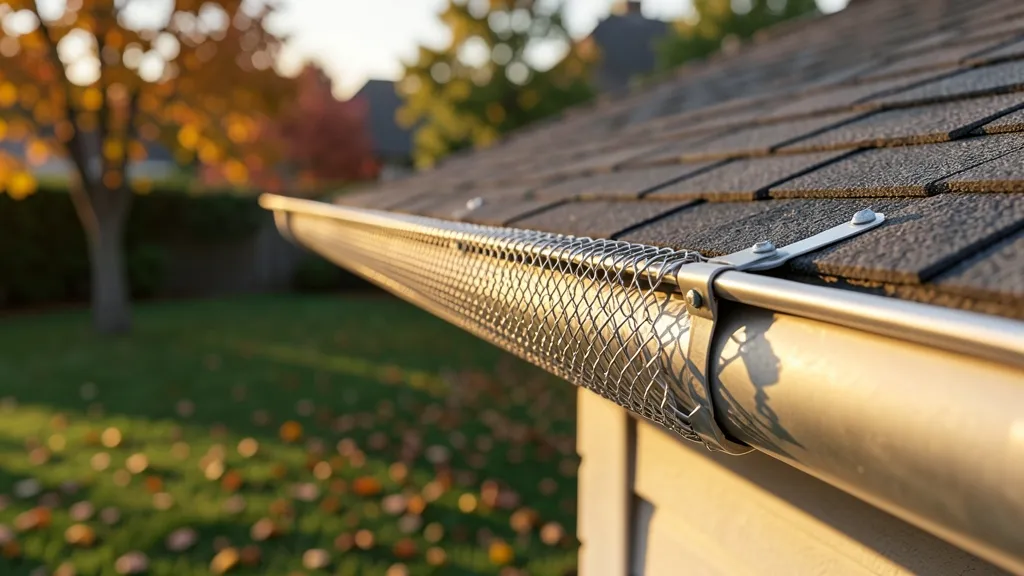
Newnan’s clay-heavy soil and sudden downpours demand smart drainage. Splash blocks and downspout extensions both redirect roof runoff, but they solve different problems. We’ll break down how each performs in local conditions—and when to use both.
Why Drainage Matters for Newnan Homes
Georgia’s red clay soil doesn’t absorb water quickly. Without proper drainage, roof runoff pools near foundations, erodes landscaping, and even seeps into basements.
Splash blocks and extensions tackle this by carrying water away from your home’s perimeter. The right choice depends on your yard’s slope, soil type, and how far you need to divert water.
What Are Splash Blocks?
Splash blocks are concrete or plastic troughs placed beneath downspouts. They catch water exiting the downspout and spread it out to reduce erosion at the discharge point.
In Newnan, they’re ideal for flat or gently sloped yards where water needs a short, controlled release. They’re also low-maintenance—just clear debris occasionally.
Place splash blocks on a bed of crushed stone to prevent them from sinking into soft Georgia clay over time.
What Are Downspout Extensions?
Extensions are rigid or flexible pipes that attach to the bottom of a downspout, channeling water farther from the house. They’re typically corrugated plastic or aluminum, with elbows to direct flow.
For Newnan homes with steeper grades or landscaping to protect, extensions can carry water 10–20 feet away—critical for preventing foundation damage or washouts in gardens.
Splash Blocks vs. Downspout Extensions: Key Differences
The core difference is distance. Splash blocks handle the first few feet; extensions can span the length of a driveway or flower bed.
| Feature | Splash Blocks | Downspout Extensions |
|---|---|---|
| Water Discharge Distance | 3–4 feet max | 10–20+ feet |
| Installation | Simple, no tools | Requires fittings, may need trenching |
| Durability | Heavy (concrete) or lightweight (plastic) | Plastic may crack in UV; aluminum lasts longer |
| Maintenance | Clear debris, check for shifting | Inspect for clogs, reattach if disconnected |
| Best For | Flat yards, minimal grading | Sloped yards, long-distance diversion |
| Cost Factors | Material (concrete vs. plastic), size | Length, material, elbows, installation complexity |
When to Choose Splash Blocks in Newnan
Use splash blocks if your downspout already deposits water in a safe spot, but you’re seeing minor erosion or mud splatter. They’re perfect for homes in Sharpsburg or Turin with compact yards.
They’re also a quick fix for rentals or temporary solutions while planning a larger drainage project. Just ensure they’re level to avoid water pooling behind them.
Never place a splash block where water will flow back toward the foundation. Always slope the ground beneath it away from the house.
When Downspout Extensions Win
Extensions are the better choice if your yard slopes toward the house or you’ve got valuable landscaping in Peachtree City or Senoia. They’re also essential for homes with crawl spaces prone to moisture issues.
For heavy rain events, extensions can connect to pop-up emitters or French drains for even better control. We often pair them with gutter guards to prevent clogs from pine needles and oak leaves common in the area.
Can You Use Both Together?
Absolutely. In fact, we recommend it for many Newnan homes. A splash block can act as a buffer at the downspout’s end, while an extension carries water the rest of the way.
This combo works well in Moreland or Grantville, where yards may have uneven terrain. It also adds redundancy—if the extension clogs, the splash block still manages overflow.
Signs You Need Both
- Water pools within 5 feet of your foundation after rain
- Your current splash block creates a muddy mess
- Downspout extensions frequently disconnect or clog
- You’ve noticed cracks in your foundation or driveway
Maintenance and Longevity in Georgia’s Climate
Splash blocks last 10–20 years (concrete) or 5–10 (plastic). Extensions may degrade faster in UV or freeze-thaw cycles, though Newnan’s mild winters reduce this risk.
Clean both regularly—debris in splash blocks or extensions can redirect water right back to your home. After storms, check for shifting or damage from heavy runoff.
How to Install a Downspout Extension in 5 Steps
Adding an extension is a straightforward DIY project for most Newnan homeowners.
- 1Measure and Plan
Determine the path water should take, avoiding walkways or low spots. Measure the length needed, including elbows for turns.
- 2Gather Materials
Buy corrugated downspout pipe, elbows, and a downspout adapter. Use aluminum or UV-resistant plastic for durability.
- 3Attach the Adapter
Slide the adapter over the downspout outlet. Secure it with sheet metal screws or the manufacturer’s clips.
- 4Assemble the Extension
Connect the pipe and elbows, sloping downward at least 1/4 inch per foot. Use pipe straps to secure to the house or fence.
- 5Test and Adjust
Run a hose through the gutter to check for leaks or pooling. Bury the end in gravel or attach a pop-up emitter if needed.
Frequently Asked Questions
Do splash blocks work on steep slopes?
No. Splash blocks are designed for minimal slope. On steep grades, water will overshoot or erode around them. Downspout extensions or a French drain are better solutions.
Can I bury a downspout extension?
Yes, but use a solid (not corrugated) pipe and slope it properly. Burying it prevents tripping hazards and looks cleaner, but ensure it’s accessible for cleaning. Pop-up emitters are a great buried option for Newnan yards.
Why do my splash blocks keep shifting?
Heavy runoff or soft soil (common in Newnan’s clay) can dislodge them. Dig a shallow trench, add a bed of gravel, and ensure the block is level. Concrete blocks are less likely to move than plastic.
How far should downspout extensions reach?
Aim for at least 5–10 feet from your foundation, but the exact distance depends on your yard’s grade and soil type. In areas like Senoia with poor drainage, 15–20 feet may be necessary.
Do gutter guards affect splash blocks or extensions?
Yes—they reduce debris in your gutters, which means less clogging in downspouts and extensions. This is especially valuable in Newnan, where pine needles and oak leaves are constant. Clean guards regularly to maintain flow.
What’s a good option for a gravel driveway?
Downspout extensions are ideal. They can be run underneath or along the edge of the driveway, directing water to a safe outlet. Splash blocks may not be effective if gravel shifts frequently.